When Six Figures Isn’t Enough: The New Paycheck-to-Paycheck Reality
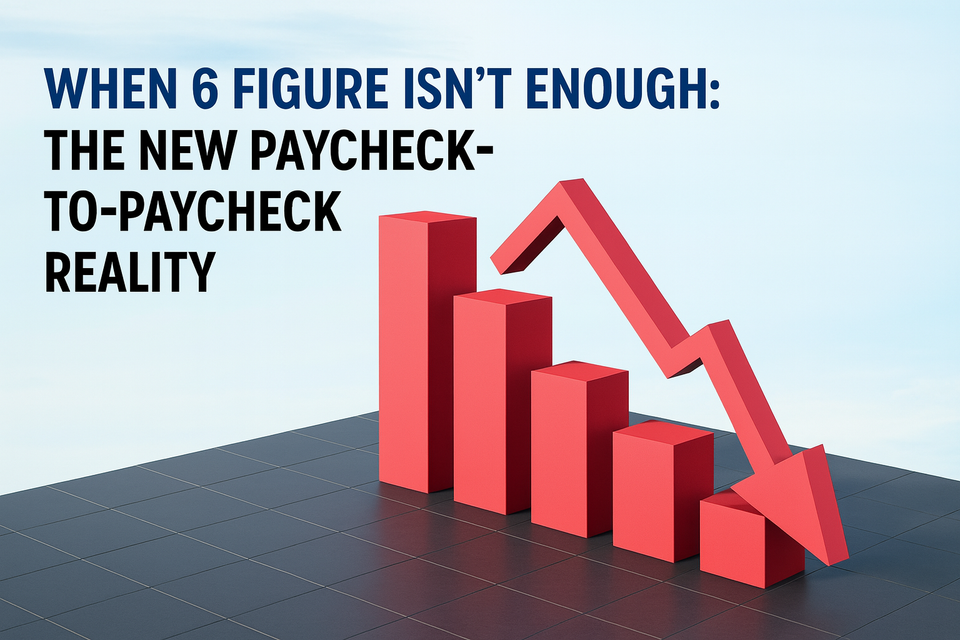
Why even six-figure (or higher) earners feel financially squeezed, often living paycheck to paycheck despite substantial salaries?
This isn't just anecdotal—it's a widespread sentiment fuelled by inflation, lifestyle inflation, job instability, and psychological factors like fear of setbacks.
It's dominating discussions on platforms like X (formerly Twitter), Reddit, and financial news outlets, with fresh articles and threads popping up daily this week.
Why is it so?
1. Economic Backdrop:
Global inflation for essentials (housing, healthcare, education) continues to outpace wage growth in many regions, even as the U.S. Federal Reserve has cut rates twice in late 2024 and early 2025, easing borrowing but not fully offsetting affordability crises.
For instance, U.S. middle-class families are grappling with "normal" expenses like HOA fees, bank charges, and utilities that quietly erode take-home pay.
Meanwhile, the IMF's latest World Economic Outlook (updated November 2025) projects global growth at 3.0% for the year but highlights divergent paths, with services inflation complicating household budgets.
2. Real-Time Buzz on X
Over the past week (November 1–5), semantic searches show a surge in posts about "financial insecurity despite high income."
Users are sharing personal stories of $200K–$300K household incomes vanishing into mortgages, childcare, and debt, with one thread noting how AI-driven layoffs and offshoring are amplifying fears.
Gig workers and high earners alike are venting about irregular income and the "arrival fallacy"—chasing milestones that never satisfy.
3. Media Amplification:
Outlets like Investopedia, Business Today, and MSN published pieces this week dissecting the psychology: High earners spend to cope with exhaustion or comparison, turning money into an escape rather than a tool for growth.
In the UK, Ryanair's CEO slammed potential Labour tax hikes on November 3, warning they'll exacerbate income squeezes for the middle class.
Key Reasons High Incomes Aren't Enough:
|
Factor |
Description |
Impact Example |
|
Lifestyle
Creep |
Expenses
scale with income (e.g., bigger homes, private schools, luxury cars), leaving
little surplus. |
A
$300K salary might net $150K after taxes, but urban living costs
(rent/mortgage + insurance) eat 50–60%, per X discussions. |
|
Job
Instability |
High-pay
roles in tech/finance face AI disruptions and layoffs; replacing a top salary
is tough. |
17,375
U.S. jobs cut due to AI in the first 9 months of 2025, up sharply from
2024—many in high-income sectors. |
|
Debt
and Essentials |
Student
loans, healthcare, and childcare devour paychecks; generational wealth gaps
mean no safety net for many. |
Two
families earning $200K might look similar on paper, but one with inheritance
weathers storms better. |
|
Psychological
Toll |
Fear
from past poverty or constant comparison leads to "money stress"
and avoidance of tough talks. |
UK
initiatives like #TalkMoneyWeek (peaking this week) highlight how silence
worsens mental health and budgeting. |
|
Tax
and Policy Pressures |
Higher
effective taxes (e.g., UK speculation on income tax rises) reduce disposable
income without clear value. |
Up
to 45% of wages deducted in some countries, with little perceived return on
services like healthcare. |
How to Break the Cycle?
Financial advisors are pushing proactive steps tailored to high earners:
1. Track Ruthlessly:
Know your net pay, monthly expenses, and surplus—automate 20–30% into investments.
2. Max Protections:
Build a 6–12 month emergency fund; prioritize disability insurance and tax strategies like Roth conversions.
3. Value Yourself:
Negotiate based on market worth—could boost income 20%+ annually
4. Talk It Out:
Start conversations about money worries; resources like Citizens Advice's guide emphasize judgment-free budgeting
5. Diversify Income:
Side gigs or assets (e.g., REITs for passive yield) hedge against volatility, especially with expected 2025 rate cuts.
This topic is relatable across income levels—it's not just "poor people problems," but a systemic affordability crunch.
If rates stabilize and policies shift (e.g., post-U.S. election tariff pauses), relief could come, but for now, the vibe is urgency around smarter money habits.